
Most people use dozens of apps daily but rarely think about how to use them better. A few smart apps tips can transform a cluttered phone into a productivity machine. The difference between struggling with technology and mastering it often comes down to small adjustments.
This guide covers practical strategies to get more from the apps already on your devices. From organizing your home screen to managing notifications, these apps tips help users work faster and with less frustration. No complicated hacks required, just straightforward changes that deliver real results.
Table of Contents
ToggleKey Takeaways
- Organize your home screen by moving your most-used apps to the bottom row and creating folders to reduce clutter and save time.
- Explore built-in app settings to unlock hidden features like swipe typing, email scheduling, and camera manual controls.
- Manage notifications aggressively by using Focus modes, scheduled summaries, and Do Not Disturb to protect your concentration.
- Enable automatic updates and review app permissions regularly to keep your apps secure and protect your privacy.
- Set up cloud syncing across all your devices so you can seamlessly start tasks on one device and finish on another.
- These simple apps tips require no technical expertise but deliver real productivity gains and less daily frustration.
Organize Your Home Screen for Quick Access
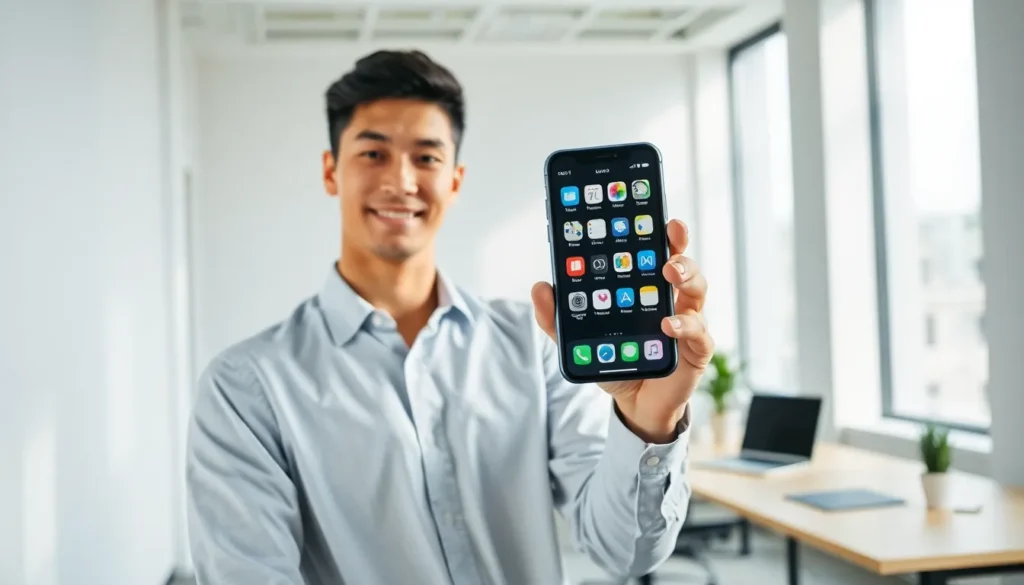
A messy home screen wastes time. Every second spent searching for an app adds up over weeks and months. Smart organization puts frequently used apps within thumb’s reach.
Start by auditing which apps get opened most often. Most smartphones track this data in settings under battery usage or screen time. Move the top five or six apps to the home screen’s bottom row, that’s the easiest spot to tap one-handed.
Folders help group similar apps together. Create categories like “Work,” “Social,” or “Finance” to reduce visual clutter. Some users prefer organizing by color, which sounds odd but actually speeds up visual scanning.
Widgets offer another layer of efficiency. Calendar widgets show upcoming events without opening an app. Weather widgets display forecasts at a glance. Task list widgets keep priorities visible throughout the day.
One of the best apps tips for home screen organization: delete apps that haven’t been used in 30 days. Most can be re-downloaded if needed. A cleaner home screen means faster access to what matters.
Master Built-In App Settings and Features
Many apps contain powerful features that users never discover. Taking ten minutes to explore an app’s settings can unlock time-saving shortcuts.
Keyboard apps offer a good example. Swipe typing, text replacement shortcuts, and custom dictionaries exist in most keyboard settings. Adding abbreviations that expand into full phrases, like “omw” becoming “On my way.”, saves countless keystrokes.
Email apps often include scheduling features. Users can write messages at night and schedule them to send during business hours. Snooze functions temporarily hide emails and resurface them at better times.
Camera apps hide manual controls behind menus. Adjusting exposure, enabling grid lines, and changing resolution settings improve photo quality without buying new equipment.
Browser apps support extensions and content blockers that speed up page loading. They also offer reading modes that strip away ads and format text for easier consumption.
These apps tips apply across categories. Calendar apps support multiple time zones. Note apps enable offline access. Messaging apps allow message scheduling. The pattern holds: dig into settings, find hidden features, and customize apps to fit specific workflows.
Manage Notifications to Reduce Distractions
Notifications interrupt focus constantly. Research shows it takes over 20 minutes to fully regain concentration after a distraction. Managing notifications is one of the most impactful apps tips for productivity.
Start by conducting a notification audit. Go to device settings and review which apps can send alerts. Be ruthless, does that shopping app really need permission to interrupt dinner?
Most operating systems now offer notification grouping and summary features. iOS delivers scheduled notification summaries at chosen times. Android lets users set notification importance levels for each app.
Do Not Disturb modes deserve more attention. Schedule them during work hours, sleep time, or family dinners. Allow calls from favorites to break through for emergencies while blocking everything else.
Focus modes take this further. Create different profiles for work, personal time, and sleep. Each profile can allow notifications from specific apps while silencing others.
Silent notifications still appear in notification centers without buzzing or lighting up screens. This middle-ground approach works well for apps that matter but don’t require immediate attention.
Badge counts, those red numbers on app icons, trigger anxiety for some users. Turning them off for non-essential apps reduces the urge to constantly check for updates.
Keep Your Apps Updated and Secure
Outdated apps create security risks and miss performance improvements. Regular updates fix bugs, patch vulnerabilities, and add new features.
Enable automatic updates to handle this passively. Both iOS and Android offer settings to download updates overnight when connected to Wi-Fi and charging. This approach keeps apps current without user intervention.
Review app permissions periodically. Many apps request access to contacts, location, camera, and microphone during installation. Not all of them actually need these permissions to function. Revoking unnecessary access improves privacy and often extends battery life.
Delete apps from unknown developers or those that haven’t been updated in over a year. Abandoned apps become security liabilities over time.
Two-factor authentication adds protection to sensitive apps like banking, email, and social media. Most apps now support authenticator apps or biometric verification. These extra steps take seconds but prevent unauthorized access.
Password managers generate and store strong, unique passwords for each app. Using the same password across multiple apps creates vulnerability, if one gets breached, they all become exposed.
These apps tips around security might seem tedious, but they prevent much bigger headaches down the road.
Use Cloud Syncing Across Devices
Cloud syncing keeps data consistent across phones, tablets, and computers. Starting a task on one device and finishing on another becomes seamless with proper setup.
Most productivity apps offer built-in cloud sync. Note-taking apps like Evernote and Apple Notes sync automatically. Task managers like Todoist and Microsoft To Do update across all logged-in devices within seconds.
Cloud storage services, Google Drive, iCloud, Dropbox, provide file access from anywhere. Important documents stay available whether working from a phone on the train or a laptop at home.
Browser syncing saves bookmarks, passwords, and open tabs across devices. Chrome, Safari, Firefox, and Edge all support this feature. Sign in with the same account on each device to enable it.
Photo syncing prevents loss of memories if a phone gets damaged or stolen. Google Photos and iCloud Photos both offer automatic backup options.
One important apps tip: check sync settings for each app individually. Some default to Wi-Fi-only syncing to preserve cellular data. Others require manual activation. Spending five minutes confirming sync status prevents the frustration of missing data when switching devices.
Offline access matters too. Many cloud-synced apps allow users to mark specific files or notes for offline availability. This ensures access even without internet connection.